


Today is the final entry on the 6 Key Mindset Shifts every new leader must make. But first…
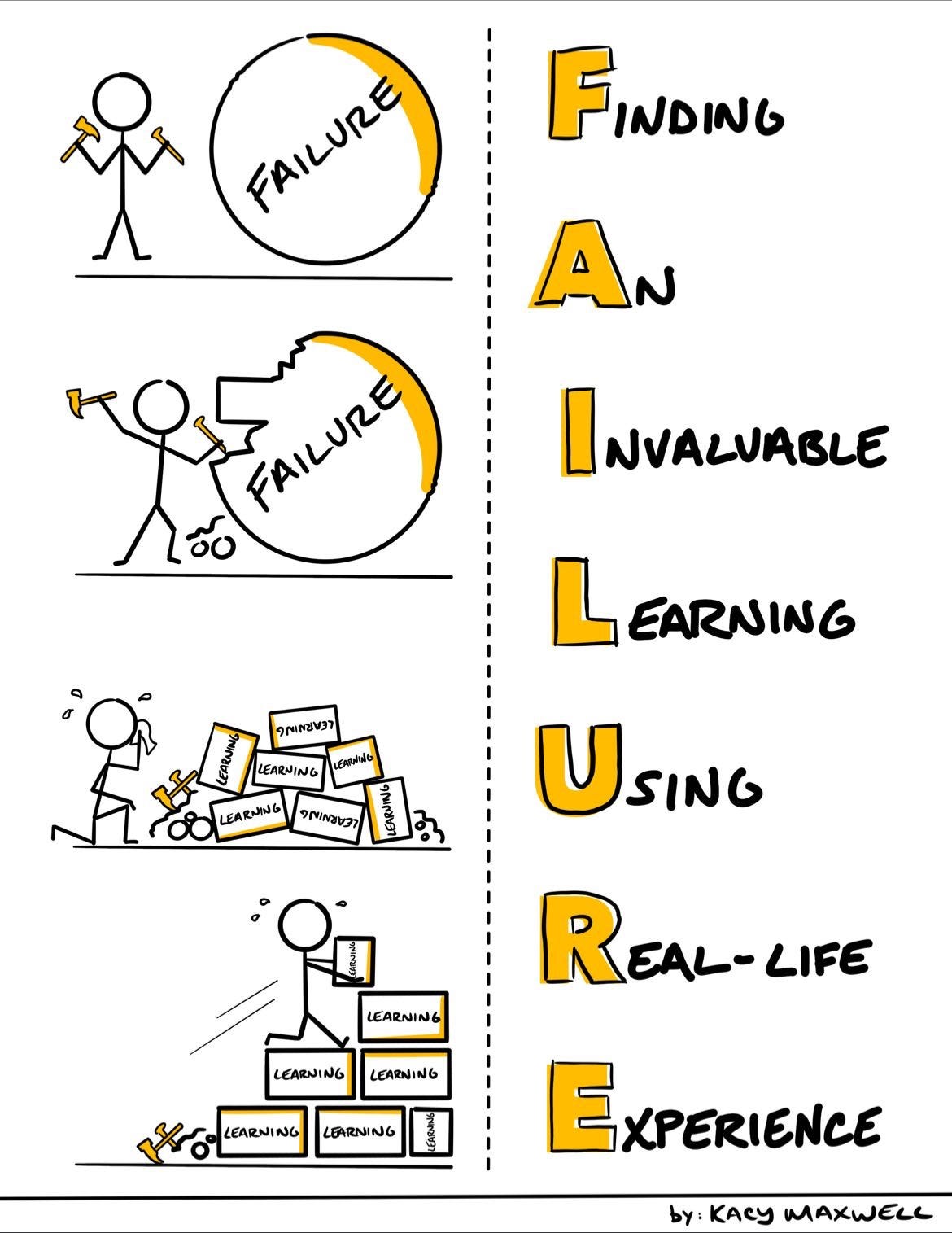
The longer I write here on Drawn to Lead, the more I realize that this is becoming a confessional of sorts for me. An ongoing series of all the ways I have failed at leadership over the years. It’s probably because I’ve become keenly interested in disecting failures. Others and my own. I even created an entire podcast around the topic. Failure isn’t helpful unless you take the time to actually dissect it and pull out the lessons learned. So, let’s dig into another one of my failures to see what I have learned on my journey.
The Final Mindset Shift
For some, this final mindset shift will be obvious and easy. For others, like me, it will be a major challenge. It is also not as straight-forward as you may think. The shift is From Talking to Listening. This is, and continues to be, the one that still plagues me the most in my leadership journey.
I’ve shared numerous times on this blog that I am a recovering achiever. And that I regularly relapse into my old habits. One of them that I developed early is having the right answer. I observed in school and in business, that the person raising their hand with the right answer was rewarded with the teacher and the boss’s respect. I wanted to be the go-to guy when anyone asked a question. I also saw that many of my leaders would do this too. Often they were the ones that spoke first and the most in meetings. They were the ones that knew what we needed to do so we needed to hear from them the most, right?
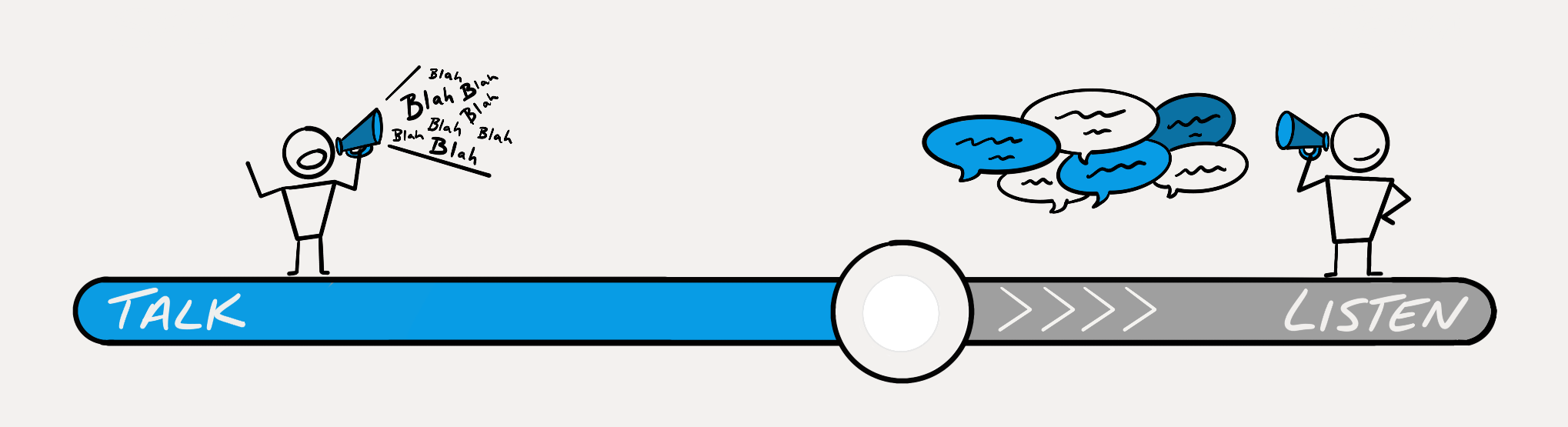
So, I did a lot of talking at my team. Team meetings were meant for me to tell the team what was going on and what needed to be done. 1:1’s were a time for me to check in on tasks that the team member was doing and share specific things from meetings that I wanted them to know. Most of the information sharing was one way.
Now, of course I thought I listened to my team. When they would ask questions I would try to answer them, and if they were talking I would not speak over them. But that was about it. I thought I was doing it right.
The Shift
In retrospect it seems really silly that I thought I was a good listener. But I was just mimicking what I saw. Over time I realized that a leader’s role is not to have all the answers, it was to create a team that is able to figure out the answers together. And that if you always speak first in a meeting, you end up influencing what the rest of your team thinks. And if your team never disagrees with what you are saying, they probably don’t think you would listen to it anyway.

Are you a good listener?
Take a few minutes to think through or journal about these simple questions to figure out where you fall on the scale:
Do I dominate conversations, or do I create space for others to speak?
Do I primarily ask for feedback on my ideas vs. asking for my team’s thoughts?
Am I willing to listen to dissent or do I immediately get defensive?
If you find yourself speaking more than listening, it may be time to shift your approach and make room for others’ voices.
Shifting Toward a Better Balance
If You’re Doing Most of the Talking:
Pause Before Responding. When someone speaks, take a moment before jumping in with your thoughts.
Ask More Questions. Encourage discussion by asking, “What do you think?” or “Can you tell me more about that?”
Summarize What You Hear. Show that you’re listening by restating what someone said before adding your own thoughts.
Make Meetings Interactive. Instead of leading every discussion, encourage team members to contribute first.
If You’re Too Quiet:
Engage in Active Listening. Show interest by nodding, maintaining eye contact, and asking follow-up questions.
Encourage Honest Feedback. Let your team know their input is valued and will be acted upon.
Balance Listening with Leadership. Listening doesn’t mean staying silent—share your insights after fully understanding others’ perspectives.
Final Thought: Leading Through Listening
The best leaders understand that their job isn’t just to speak, it’s to create an environment where the best ideas rise to the surface. When you shift from being a broadcaster to being an interviewer, you unlock the potential of your team and build a culture of trust and collaboration.
So, where do you fall on the spectrum? Are you filling the airwaves, or are you making space for others to contribute? The right balance will strengthen your leadership and help your team thrive.
More to Come.
Kacy @ Drawn to Lead
Yesterday, I was talking with a group of friends that I had never seen before, haha, and I have had a lot of time alone, haha, just for listening to this monthneed to talk alotbut not like a leader hahs if not becauseI need help haha 's haha them, I never began a conversation yesterday haha, exc alot haha but not likea leaderept to ask questions to the other haha forme that was exceptional haha and not always I do that haha but I try to hahaha sometimes I need to talk a lot but not as a leader haha if not assomeone who needs helphahahahaha